


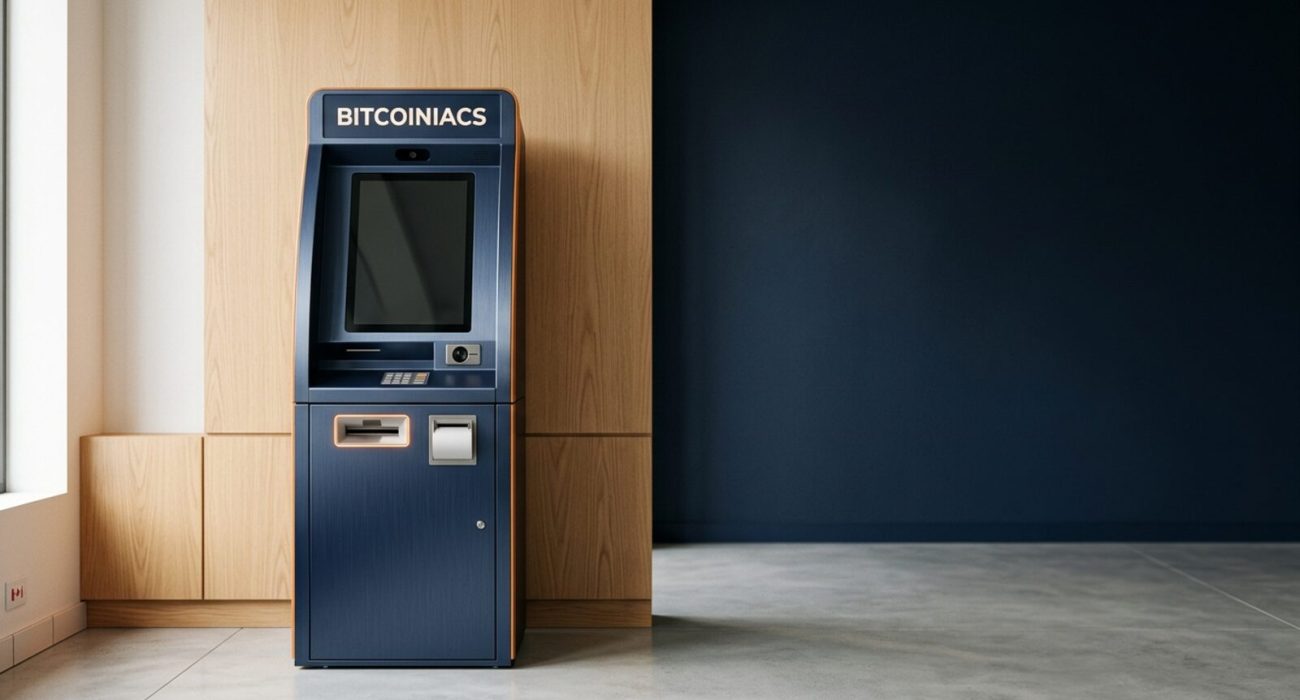
When people search “Bitcoin ATM ID requirements Canada,” they usually want a simple answer: do I need a document, which document works, and what happens to my information? The practical answer is that identification depends on the transaction, the operator’s compliance program, and the verification prompt shown at the machine or service counter. Bitcoin ATMs are cash-based financial services, not ordinary bank machines, so a request for ID is normal and can be required even when a smaller transaction might use lighter verification. This guide explains what to bring, how the process works, what to check before sending Bitcoin, and how to recognize a scam that uses an ATM as a payment tool. A calm ATM visit starts before the receipt prints: bring the right document, control the wallet, and review the full quote.
Table of Contents
- Bitcoin ATM ID Requirements Canada: What to Bring
- Why Bitcoin ATMs Ask for ID in Canada
- What ID to Bring to a Bitcoin ATM
- What Happens During Bitcoin ATM Verification
- How to Prepare for a First Bitcoin ATM Visit
- Frequently Asked Questions
Bitcoin ATM ID Requirements Canada: What to Bring
There is no single Canadian rule that gives every Bitcoin ATM the same screen flow. A machine may ask for a phone number, government-issued photo ID, a selfie, or another check, while a different transaction may use lighter verification. The operator can also set stricter controls than the minimum legal trigger. Do not plan a visit around an internet claim that an ATM is “no ID” or “anonymous.” Plan for verification and treat a lower-friction experience as a transaction-specific decision, not a promise.
For a Bitcoiniacs visit, start with the official Bitcoin ATM locations in Canada page. Confirm that the location offers the service you need, check its hours, and follow the instructions shown at that location. Bitcoiniacs ATMs are intended for cash purchases unless the current service information says otherwise. Bring Canadian cash, a phone with your wallet ready, and a current ID even if you expect to make a small purchase. That preparation prevents a wasted trip when the machine or staff member asks for more information.
Why Bitcoin ATMs Ask for ID in Canada
Bitcoin ATM operators that exchange funds and virtual currency operate in a financial-services environment. FINTRAC describes businesses that exchange funds for virtual currency, virtual currency for funds, or one virtual currency for another as money services businesses in many circumstances. You can read the federal overview of FINTRAC’s money services business requirements for the compliance framework behind registration, record keeping, reporting, and client identification.
Identity checks connect a transaction to the real customer, support required records, help investigate unusual activity, and reduce the risk that a victim is being coached into sending money to a fraudster. They do not make Bitcoin a bank deposit or make a transfer reversible. They are part of the compliance process around a cash-and-crypto service.
FINTRAC lists large cash and virtual currency transactions, suspicious transactions, and certain virtual currency exchanges or transfers among situations that require identity verification. It also says reasonable measures should be taken for a suspicious transaction regardless of amount. See the official guidance on when a money services business must verify identity.
Those federal triggers are a baseline, not a guaranteed customer experience. An operator may ask for ID at a lower amount because of its own policies, the asset or service selected, the location, a transaction pattern, or a fraud-prevention review. A request for identification is therefore not automatically a red flag. A real warning sign is a stranger who creates urgency, tells you to use a particular ATM, promises guaranteed returns, or gives you a wallet address and asks you to send funds to “protect” your money.
What ID to Bring to a Bitcoin ATM
The safest document to bring is a valid, current government-issued photo ID with your name and photograph, such as a provincial driver’s licence, provincial photo card, or passport. The operator decides which documents its method accepts, and an expired, damaged, altered, or unreadable document may be rejected. Do not borrow someone else’s ID or use a document image you do not control.
FINTRAC’s methods for verifying identity explain the information a reporting entity may review and record. The page distinguishes a valid, authentic, current government-issued photo document from other ways of verifying a person. Your ATM provider may use a different approved method in a particular situation, but you should not assume that a health card, student card, workplace badge, or photocopy will be accepted.
Bring only what the service requires. Staff should not ask for your wallet recovery phrase, private key, password, or one-time code. No legitimate ATM operator needs your seed phrase to send Bitcoin to your wallet. If anyone asks for a seed phrase, banking login, or phone code, stop the transaction and leave. Identity verification confirms who you are; it does not give anyone control of your wallet.
What Happens During Bitcoin ATM Verification
A typical purchase begins with the wallet, not the cash. Open your wallet app, choose Receive, select Bitcoin, and display the QR code for the correct Bitcoin network. At the machine, select Buy, review the available instructions, and scan the receive address. If the transaction needs verification, the screen may ask for a phone number, SMS confirmation, an ID scan, a photo, or help from a staff member. Complete only the steps shown by the official machine or by verified Bitcoiniacs staff at the location.
Before inserting cash, check the destination address on the ATM and on your own phone. Compare the first and last characters if the screen shows a shortened address, and confirm that the asset is Bitcoin rather than another network. A QR code can be replaced or misread, and a blockchain transfer cannot normally be recalled after it is broadcast. If the machine displays a quote, note the CAD amount, the BTC amount, the exchange rate, the service fee, and any network fee before accepting.
Limits are separate from ID requirements. A machine may accept your document but still decline the amount, require a different transaction path, or stop because the location’s daily capacity has been reached. Read the current guidance on Bitcoin ATM daily limits in Canada before planning a larger purchase. Do not split a transaction to try to avoid a review. That can create a pattern that looks more suspicious, and it can leave you with several separate quotes and receipts to reconcile.
After the cash is accepted, the transaction may appear as pending before confirmations arrive. Keep the receipt and note the transaction ID when available. If the balance does not update instantly, do not panic, but do not leave without a receipt or confirmation screen. If an address looks wrong or the support contact does not match the official website, stop before paying.
How to Prepare for a First Bitcoin ATM Visit
Use this short checklist before leaving home:
- Install a wallet you control and test that it can receive Bitcoin.
- Write down the official support contact for the location; do not rely on a number supplied by a stranger.
- Bring Canadian cash, a charged phone, and a valid government-issued photo ID.
- Know your spending limit before you arrive, and do not borrow money to buy Bitcoin.
- Leave if anyone pressures you to act quickly, keep a caller on the phone, or send funds to a third-party address.
It is also worth comparing the convenience of a cash ATM with other Bitcoin ATM versus online exchange options. An ATM can be useful when you want an in-person cash transaction, but the all-in cost may include the provider’s fee, the spread between the market price and the quote, a network fee, and any other charge displayed before confirmation. Never judge the price from the fee line alone. Compare the final CAD paid with the BTC that will arrive in your wallet.
Keep a simple record of every purchase: the date and time, Canadian dollars paid, Bitcoin received, quote or rate, fees, destination wallet address, transaction ID, and receipt. Buying and holding Bitcoin is different from later selling, swapping, or spending it. A later disposition may create Canadian tax-reporting work, so organized records are more useful than trying to reconstruct the transaction months later. If your situation is complex, speak with a Canadian tax professional.
Finally, treat every ATM as a payment destination you choose, not as an instruction from someone else. The Canadian consumer guidance on crypto assets warns that transactions are not reversible and that fraudsters may tell victims to use crypto ATMs. The official FINTRAC advisory on virtual currency ATMs also describes fraud risks and urges consumers to verify the legitimacy of an exchange, wallet provider, or investment opportunity before sending funds. If the story involves a tax bill, police matter, frozen account, guaranteed return, or emergency, call the organization through a number you find yourself. Do not use Bitcoin to fix a problem created by a stranger’s phone call.
If you want an in-person starting point, use the official areas we serve for buying Bitcoin page, confirm the current location details, and arrive prepared for the verification level shown. Policies can change as compliance requirements and fraud controls change. The safest plan is simple: bring valid ID, protect your wallet, read every amount, and keep your records.
Frequently Asked Questions
Do all Bitcoin ATMs require IDs?
No. The verification flow depends on the operator, transaction type, amount, location, and risk review. Some transactions may begin with phone verification or another lighter check, while others require government-issued photo ID. Do not interpret a lower-friction transaction as a guarantee of anonymity. Bring ID so a compliance prompt does not stop your purchase, and check the current operator instructions before you travel.
What ID do I need to use a Bitcoin ATM in Canada?
Plan to bring a valid, current government-issued photo ID with your name and photograph, such as a driver’s licence, provincial photo card, or passport. The operator decides which documents its verification method accepts. An expired, altered, damaged, or unreadable document may fail the check. Never give an operator your seed phrase, wallet password, banking login, or one-time code; those are not identity documents.
How can I buy crypto with paper cash in Canada?
A Bitcoin ATM is one cash-based option. Set up a wallet first, find a current location, bring Canadian cash and a charged phone, scan your receive QR code, complete any verification shown, review the quote, and keep the receipt. The machine does not connect to your bank account or the Interac network simply because it looks like a bank ATM. Check the final CAD cost and Bitcoin amount before confirming.
Why are Bitcoin ATM fees so high?
An ATM quote can reflect the operator’s service cost, cash-handling and location costs, the spread, network conditions, and transaction processing. The exact all-in cost varies, so do not rely on a percentage quoted in an old forum post. Compare the CAD you will pay with the BTC you will receive, including every fee shown on the confirmation screen. If the total is outside your budget, cancel before inserting cash.
Can I buy Bitcoin in Canada without ID verification?
You should not plan around avoiding verification. A particular small transaction may use a lighter check, but an operator can require ID because of its compliance program, the amount, the transaction pattern, or a fraud review. Do not use a service advertised as a way around Canadian requirements, and do not split purchases to evade review. If you need help understanding what a location requires, contact the operator through its official website before bringing cash.
Bitcoin ATM ID requirements Canada shoppers encounter are part of a broader effort to keep cash-and-crypto transactions accountable. A successful visit is not about finding the least verification; it is about using a legitimate location, sending Bitcoin to a wallet you control, reviewing the complete quote, and leaving with records you can understand later.