


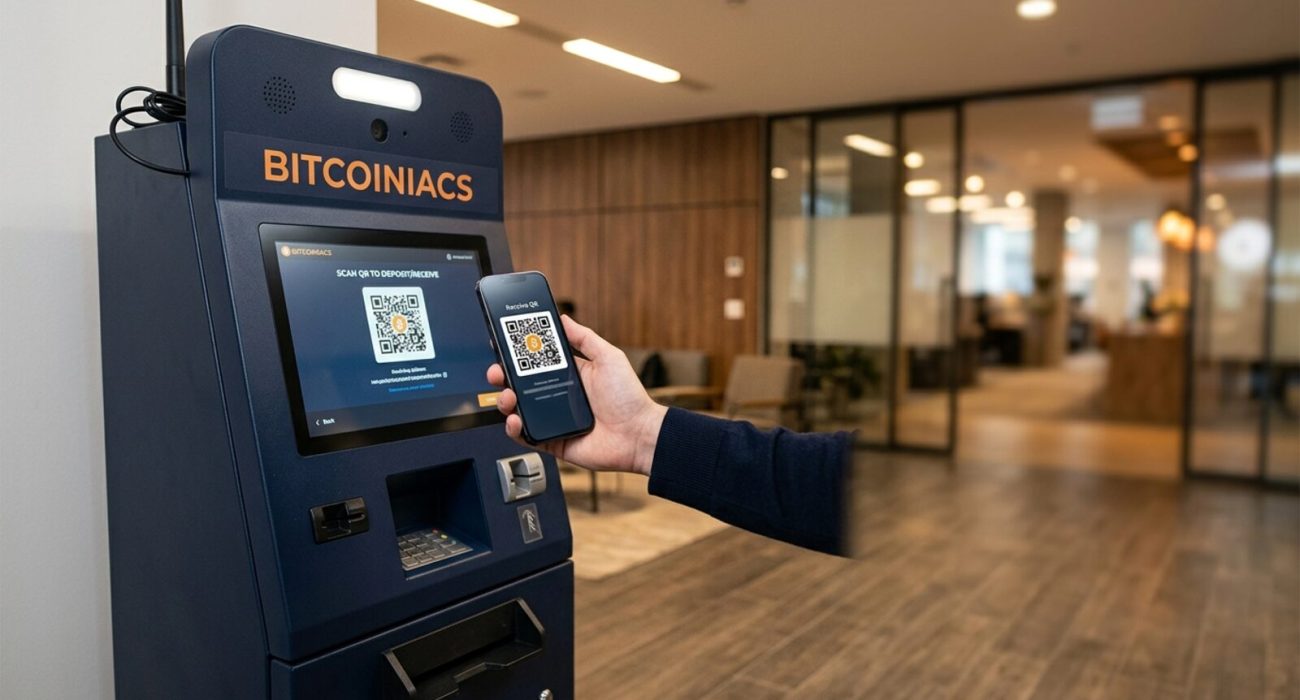
Bitcoin address types can look confusing when one wallet starts with “1,” another starts with “3,” and a newer address begins with “bc1q” or “bc1p.” They are all ways to receive Bitcoin, but each format uses a different locking script and encoding method. Those differences affect wallet compatibility, transaction efficiency, QR-code readability and, in some cases, the fee paid when the funds are later spent. This guide explains Legacy, Nested SegWit, Native SegWit and Taproot addresses in practical terms for Canadian Bitcoin users. You will learn how to recognize each format, which option usually makes sense today, how to avoid sending to the wrong network, and what to check before scanning a wallet QR code at a Bitcoin ATM.
Table of Contents
- Bitcoin Address Types at a Glance
- Legacy, SegWit and Taproot Explained
- How to Choose and Check a Bitcoin Address
- Using Bitcoin Addresses at a Bitcoin ATM
- Frequently Asked Questions
Bitcoin Address Types at a Glance
A Bitcoin address is not an account number and it does not contain Bitcoin. It is a human-readable way for a wallet to describe the conditions that must be satisfied to spend a particular transaction output. The Bitcoin developer transaction guide explains that wallets track spendable transaction outputs, commonly called UTXOs. An address helps the sender create the correct output script for the recipient.
The easiest way to identify common Bitcoin address types is by the beginning of the address:
- Legacy P2PKH: starts with
1. This is the original common address format. - Nested SegWit P2SH: starts with
3. It wraps SegWit functionality in an older-compatible format. - Native SegWit P2WPKH or P2WSH: starts with
bc1q. It uses Bech32 encoding. - Taproot P2TR: starts with
bc1p. It uses the newer Bech32m encoding.
The prefix is a useful clue, not permission to send automatically. Addresses beginning with 3 can represent several P2SH script arrangements, and a string that merely looks like an address may still be invalid. Your wallet should validate the address and network before it creates a transaction. Bitcoin mainnet addresses are different from testnet addresses, and Bitcoin is different from Bitcoin Cash, Litecoin and other networks even when the interfaces look similar.
If you are still choosing a wallet, start with a reputable application that clearly labels its receive screen and verifies the address on the device. Our guide to the best Bitcoin wallet in Canada compares custody, security and ease of use before you make that choice.
Legacy, SegWit and Taproot Explained
Legacy addresses that start with 1
Legacy Pay-to-Public-Key-Hash addresses are the oldest widely recognized format. Their long history gives them broad compatibility, including with software that has not adopted newer address standards. That compatibility is their main advantage. Their drawback is efficiency: spending a Legacy output generally uses more block weight than spending a comparable SegWit output, so the transaction can cost more when network demand is high.
Existing Bitcoin held at a Legacy address does not need an emergency move. The funds are not weaker just because the address begins with 1. A user may choose to consolidate or move funds to a modern wallet, but that is an on-chain transaction with a fee and should be planned carefully. Never import a private key or seed phrase into random software simply to change the address format.
Nested SegWit addresses that start with 3
Nested SegWit was designed as a bridge. It allows a SegWit spending structure to be wrapped inside Pay-to-Script-Hash, which older systems already knew how to send to. That is why the address starts with 3 rather than bc1. It can offer better spending efficiency than Legacy while preserving compatibility with some older services.
Today, Native SegWit support is common, so Nested SegWit is less often the default for a new wallet. It can still be useful when a particular sender or service refuses a bc1 destination. Check the service rather than guessing. A 3 prefix alone does not prove the address belongs to your intended wallet or reveal every condition behind it.
Native SegWit addresses that start with bc1q
Native SegWit addresses use Bech32, a lowercase-friendly encoding designed for witness outputs. The official BIP 173 specification describes the format, its checksum and its reasons for avoiding mixed-case Base58 text. In everyday use, bc1q is widely supported and is a sensible default for many single-signature Bitcoin wallets.
Why spending fees can differ
Bitcoin fees are based on transaction weight, not the dollar value being moved. A transaction spending modern SegWit outputs can use less weight than one spending comparable Legacy outputs. The final fee also depends on the number and type of inputs, the number of outputs and current network demand. Address format matters, but it is only one part of the fee calculation.
Taproot addresses that start with bc1p
Taproot uses Pay-to-Taproot outputs and Bech32m addresses beginning with bc1p. The BIP 350 specification defines Bech32m for witness version 1 and later while keeping the original Bech32 format for witness version 0. Taproot can support more flexible spending policies and can make complex scripts look more uniform when the cooperative key path is used.
Support is the practical question. A modern wallet may generate a Taproot address while an older exchange or payment system may not allow withdrawals to it. Confirm sender compatibility before choosing bc1p. If support is uncertain, a Native SegWit bc1q receive address is often the simpler option. Users moving meaningful balances into self-custody may also want a Bitcoin hardware wallet in Canada that shows the full destination address on its own trusted screen.
How to Choose and Check a Bitcoin Address
For most people, the best address is the one generated by a reputable, up-to-date Bitcoin wallet and supported by the sending service. Native SegWit is a strong general-purpose choice because it combines broad modern compatibility with efficient spending. Taproot can also be appropriate when both sides support it. Legacy or Nested SegWit may be necessary for older systems, but there is rarely a reason to select them only because they look more familiar.
Use a prefix, network and first-last-character check
Before approving a transfer, perform the same short check every time:
- Open the receive screen inside the wallet you control.
- Confirm the asset is Bitcoin on Bitcoin mainnet, not a similarly named coin or test network.
- Scan the QR code when possible, then compare the prefix and several characters at both the beginning and end.
- Confirm the full address on a hardware wallet screen if the device provides one.
- Review the amount and destination again before authorizing the transaction.
Clipboard-replacing malware can swap an address after you copy it, so checking only the first four characters is not enough. QR codes reduce typing mistakes but do not prove that the underlying address belongs to the intended recipient. Treat the wallet display or hardware-device screen as the trusted reference. Never accept an address sent by an unexpected caller claiming to be the CRA, a bank, a police service or technical support.
Bech32 and Bech32m include checksums intended to catch common errors. Bitcoin Optech’s Bech32 overview notes that the formats avoid mixed case and can detect almost all address typos. That safety feature is valuable, but it is not a substitute for confirming the recipient. A perfectly valid address can still belong to a scammer.
Consider a small test payment
For a new wallet, unfamiliar service or large transfer, consider sending a small test amount first. Wait until it appears in the intended wallet, then verify the receiving wallet can see the transaction before sending the balance. This creates an extra network fee, so it may not make sense for every small purchase, but it can reduce the risk of a costly setup mistake. Do not send the main amount merely because a block explorer recognizes the address; the recipient wallet must actually control it.
Using Bitcoin Addresses at a Bitcoin ATM
A Bitcoin ATM purchase normally asks you to present a receiving address. Prepare the wallet before visiting: install it from the official source, complete its backup process, open the Bitcoin receive screen and make sure the QR code is visible. The machine scans that QR code so the purchased Bitcoin can be sent to your wallet. You should still compare the address shown in the transaction flow with your wallet.
You do not need to memorize whether the address is Legacy, SegWit or Taproot. You do need to know that the wallet is yours, the network is Bitcoin and the ATM supports the format. If you want to plan a visit, review current Bitcoiniacs ATM locations before leaving home. Vancouver customers can also use the local guide to buy Bitcoin in Vancouver and prepare their receiving wallet in advance.
Keep the seed phrase away from the machine
An ATM needs a public receiving address, not your seed phrase or private key. A seed phrase controls the entire wallet. Never type it into an ATM, send it to support, photograph it for someone else or reveal it during a phone call. If anyone asks for the recovery words to “verify” your address, stop the transaction. Legitimate support can help explain the public receive screen without asking for private credentials.
After the purchase, keep the receipt or transaction reference and monitor the transaction in your wallet. Bitcoin payments may appear as pending before they receive a confirmation. The address type does not make a valid payment skip the network confirmation process. Give the wallet time to detect the transaction and contact the operator using official details if the transaction reference does not appear as expected.
Frequently Asked Questions
These questions are paraphrased from recurring posts by real users in Reddit’s Bitcoin and BitcoinBeginners communities.
Why does my Bitcoin wallet show a new address every time?
Modern wallets often generate a fresh receive address to improve privacy and reduce obvious address reuse. The old addresses usually remain controlled by the same wallet, provided you still have the correct seed phrase or backup. Using a new address does not create a new Bitcoin balance; the wallet combines its spendable outputs when needed. Always confirm this behaviour in your wallet’s official documentation before relying on an old address.
Can I send Bitcoin from a Legacy address to a bc1 address?
Yes, the Bitcoin protocol allows funds controlled through older output types to be spent to a valid Native SegWit or Taproot output. The practical limitation is the sending wallet or service. Very old software may not recognize newer address formats. If the interface rejects a valid bc1q or bc1p address, update the software or use a supported destination rather than trying to alter the address manually.
Should I use Native SegWit or Taproot?
Native SegWit bc1q is a reliable default because support is broad and spending is efficient. Taproot bc1p is also valid and useful when your wallet and the sending service both support it. If you are withdrawing from a platform, check its supported destination formats before generating the address. The safest choice is the modern format that both systems explicitly accept.
Is Bitcoin sent to an old wallet address lost?
Usually not. A properly backed-up wallet generally retains control of previously generated addresses even after it displays a new one. The payment should appear once the wallet scans the relevant blockchain history. Problems arise if the old address belonged to a different wallet, account or seed phrase. Do not assume. Verify the address in the wallet’s history or restore the correct backup only through trusted software.
Understanding Bitcoin address types removes much of the anxiety from sending and receiving Bitcoin. Recognize the prefix, let reputable wallet software validate the address, confirm the Bitcoin network, compare the destination carefully and keep private recovery information offline. Those habits matter more than choosing the newest format. When compatibility is available, Native SegWit and Taproot provide modern options, while Legacy and Nested SegWit remain part of Bitcoin’s long-running, interoperable transaction system.