


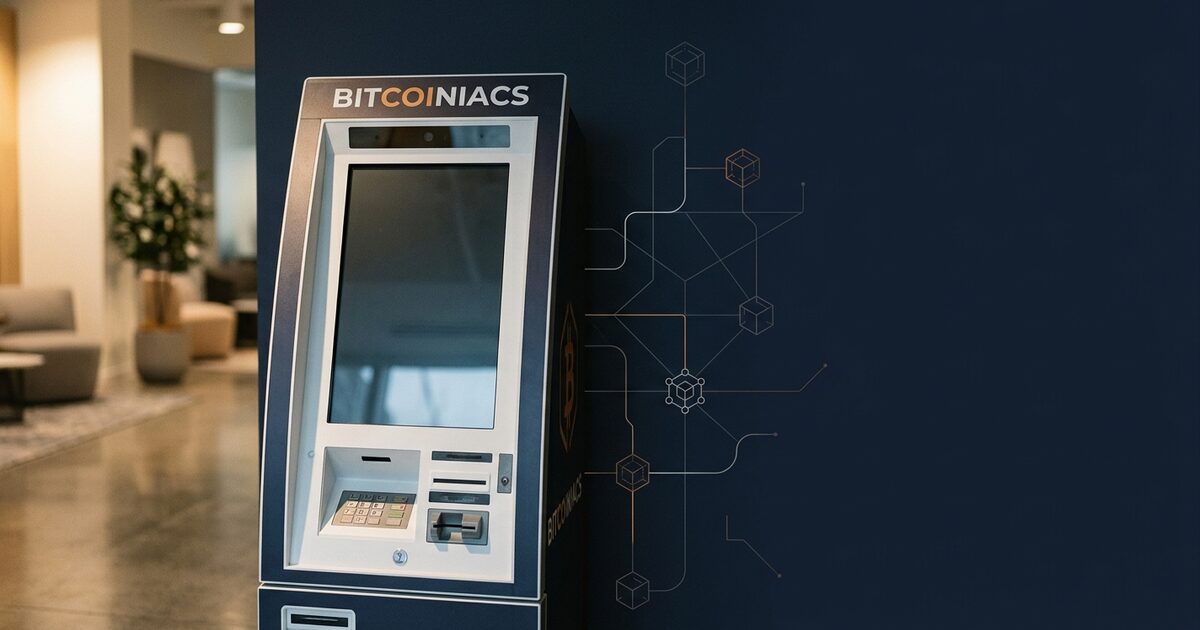
Bitcoin address vs wallet Canada is a distinction every new Bitcoin user should understand before sending a single satoshi. An address is a payment destination that you can share to receive Bitcoin. A wallet is the software or device that manages your private keys, creates addresses, tracks transactions, and authorizes spending. They work together, but they are not interchangeable. Confusing the two can lead to a lost backup, a misdirected payment, or a false assumption that anyone who sees an address can control the funds. This guide explains the difference, shows how addresses work, and gives Canadian buyers a practical checklist for sending, receiving, and recording Bitcoin safely.
Table Of Contents
- Bitcoin Address vs Wallet Canada: The Core Difference
- How Bitcoin Addresses Work
- Bitcoin Wallets, Keys, And Seed Phrases
- How To Receive And Send Bitcoin Safely
- Keeping Canadian Bitcoin Records
- Bitcoin Address vs Wallet Canada FAQ
Bitcoin Address Vs Wallet Canada: The Core Difference
A Bitcoin address is similar to an email address: it is information you can give another person or service so they know where to send something. It appears as characters or a QR code. An address does not contain your Bitcoin or unlock your wallet. It identifies a destination in the public Bitcoin transaction record.
A wallet is the tool that controls the keys needed to spend Bitcoin. A mobile app, desktop program, hardware device, or custodial account can all be described as a wallet in everyday conversation, although they do not provide the same level of control. A self-custody wallet keeps or derives your private keys. A custodial platform holds the keys on your behalf and gives you an account interface. In both cases, the Bitcoin itself is recorded on the blockchain rather than stored inside a physical wallet.
The distinction matters when you choose a crypto exchange or another way to buy. If you are comparing local options, see our guide to buy Bitcoin in Vancouver. An account balance on a custodial platform is not the same as having the private keys in your own wallet. Likewise, saving one receiving address is not a complete wallet backup. If you use self-custody, the seed phrase or other wallet backup is the critical recovery information, not a screenshot of a public address.
What An Address Can And Cannot Do
You can generally share a receiving address publicly without giving someone the ability to spend from it. However, addresses are not private in the same way as passwords. Anyone who knows an address can often inspect its transaction history with a block explorer and may infer when funds arrived or moved. Reusing one address for every payment can make that history easier to connect. A modern wallet usually generates a fresh receiving address when you request one, which improves privacy and helps keep payments organized.
How Bitcoin Addresses Work
When someone sends Bitcoin, the transaction creates an output that can later be spent by whoever satisfies the conditions associated with the destination. The address is a convenient human-facing representation of those conditions. The Bitcoin developer guide on transactions describes how addresses encode information used in payment outputs and how the public blockchain makes transaction activity traceable.
Common Address Formats
Different address formats can look different even when they are all valid Bitcoin destinations:
- Legacy addresses: commonly begin with 1. They are widely compatible but can produce larger transaction data than newer formats.
- Wrapped SegWit addresses: commonly begin with 3. They can support SegWit spending through a compatible script.
- Native SegWit addresses: begin with bc1q. They are common in current wallets and use the bech32 format.
- Taproot addresses: begin with bc1p. They support newer Bitcoin scripting capabilities when the sending service and wallet are compatible.
The format is not a quality score, and a longer or newer-looking address is not automatically safer. The important checks are that the address is for Bitcoin mainnet, the sender supports the format, and the characters were copied accurately. Never assume that an address for another network, asset, or test environment will work just because it appears in a similar wallet screen.
Why A Wallet May Show Many Addresses
A wallet can derive a large sequence of receiving addresses from one seed-backed wallet. Seeing a new address does not necessarily mean a new wallet was created. The wallet uses its key-management structure to keep track of addresses and associated unspent transaction outputs. Old addresses may remain valid, but a new address is often preferable for privacy. If you restore a wallet on another compatible device, the wallet can derive the same address sequence when the correct backup and settings are used.
Bitcoin Wallets, Keys, And Seed Phrases
The wallet is best understood as a key manager. A private key authorizes spending. A public key is derived from it, and an address is derived from public information and a payment script. You do not need to manually perform those mathematical steps: reputable wallet software handles them. Your job is to protect the private key material and verify the receiving information shown by the wallet.
For beginners, the most important safety rule is simple: a public receiving address may be shared for payment, but a seed phrase, private key, wallet backup file, PIN, or signing approval must not be shared. Someone who asks for your seed phrase to “verify,” “unlock,” or “recover” a payment is asking for control of the wallet. Bitcoiniacs will not need your seed phrase to send Bitcoin to you.
Hot Wallets And Cold Wallets
A hot wallet is connected to the internet during normal use, such as a mobile or desktop wallet. It is convenient for smaller balances and regular payments, but the device and its software environment need careful protection. A cold wallet keeps signing operations more isolated from internet-connected devices. Hardware wallets are one example. Neither label removes the need for backups, updates, careful address verification, and scam awareness. For a longer comparison of the trade-offs, read our hot wallet versus cold wallet guide.
Choosing a wallet should start with your use case rather than a brand promise. The Bitcoin.org wallet selection guide lets readers compare features such as address formats, hardware support, and multisignature capability. Check the wallet’s official download source, confirm that it supports on-chain Bitcoin, and learn how its backup and recovery process works before depositing a large amount.
How To Receive And Send Bitcoin Safely
Receiving Bitcoin is usually the lower-risk direction because you provide a destination and wait for the sender to broadcast a transaction. Open your wallet, choose Bitcoin, select Receive, and generate an address. Copy it or display the QR code. Before sharing, confirm that the network is Bitcoin and that the displayed address matches the one you intend to use. If your wallet gives you a label, add one such as “September savings” or “ATM purchase” so you can identify the purpose later.
When sending, treat the process like entering a bank account number, except that a Bitcoin transaction generally cannot be reversed by a support agent. Paste the recipient’s address instead of typing it. Compare the first and last several characters against the recipient’s trusted message or device. Check the amount, fee, and network. Malware can replace a copied address, and scammers can send a convincing message with their own address. If the amount is significant, consider a small test transaction only when the extra fee and delay are acceptable; a test is not a guarantee that every later transaction is safe.
- Use the Bitcoin network and the recipient’s stated address format.
- Do not send because of an urgent message, guaranteed-return offer, or “support” request.
- Do not use a QR code or address supplied by an unknown third party without independently confirming the recipient.
- Save the transaction ID, quote, fee, timestamp, and CAD value for your records.
- Wait for the wallet or service to show the expected confirmations before treating a payment as settled.
Canadians using a local service should also confirm the current payment method, identity requirements, limits, and fees before starting. A Bitcoin ATM can look like a bank machine, but that does not mean it accepts every card or payment rail. If you are comparing nearby options, check the current Bitcoin ATM locations and review the information shown for the specific machine.
Keeping Canadian Bitcoin Records
The difference between an address and a wallet also matters for recordkeeping. An address alone may help you identify a payment, but it may not explain how much CAD you paid, which provider quoted the price, what fees were charged, or whether you later disposed of the Bitcoin. Keep a simple transaction log with the date and time, CAD amount, BTC amount, exchange rate or quote, provider and fees, wallet address, transaction ID, and a copy of the receipt or account statement.
The Financial Consumer Agency of Canada explains that crypto assets use wallets and a visible blockchain record, while also warning that losing wallet information can make funds unrecoverable. Its digital currency overview is a useful plain-language reference for Canadian users. Tax treatment depends on your facts and the nature of the activity; buying and holding is not the same event as selling, trading, or using Bitcoin to pay for something.
For tax support, the CRA says crypto-asset users should keep adequate books and records. Its crypto-asset recordkeeping guidance describes the kinds of transaction information taxpayers may need. Keep the records in a secure location, protect account credentials, and do not put a seed phrase in a spreadsheet or cloud note just because you are trying to organize tax information.
Bitcoin Address Vs Wallet Canada FAQ
Can someone access my wallet if they only have my Bitcoin address?
No. A receiving address is public information and is used to direct a payment. It does not reveal the private key needed to authorize a spend. It can still reveal transaction history and may reduce your privacy if reused. Treat any request for a seed phrase, private key, wallet backup, password, or remote-access code as a security emergency. If you accidentally shared a private key or seed phrase, move funds to a newly created wallet after checking the device for malware.
Is reusing the same Bitcoin address really a problem?
It can be a privacy problem. The address may remain valid, but repeated payments make it easier for observers to connect transactions and estimate your balance or payment relationships. Most modern wallets offer a fresh receive address for each payment. Use the address your wallet currently provides, and do not manually force reuse just because an old address is convenient. Reuse can also create practical confusion when you are trying to reconcile payments.
Why does my wallet show many addresses instead of just one?
Hierarchical wallets can derive many addresses from a single backed-up wallet. A new receive address usually does not mean you opened a separate wallet or lost access to earlier funds. The wallet keeps track of its derivation path and scans for activity when it is restored. Keep the original backup safe and use the wallet’s documented recovery procedure rather than importing individual addresses into random software.
Can I tell which wallet app or exchange owns a Bitcoin address?
Sometimes analysts can make educated guesses from transaction patterns, address formats, public disclosures, or known service clusters, but an address by itself does not reliably identify a wallet app or owner. A public address can be monitored, but the person controlling the private keys may not be visible. Do not trust a message that claims an address is yours simply because it has a familiar format; verify through your own wallet and the transaction details.
Once you remember that a wallet controls keys while an address is a shareable payment destination, Bitcoin becomes much easier to handle. Generate receiving addresses inside a wallet you control, verify every outgoing payment on a trusted screen, protect your seed phrase, and keep complete Canadian transaction records. Those habits matter more than memorizing every address format.