


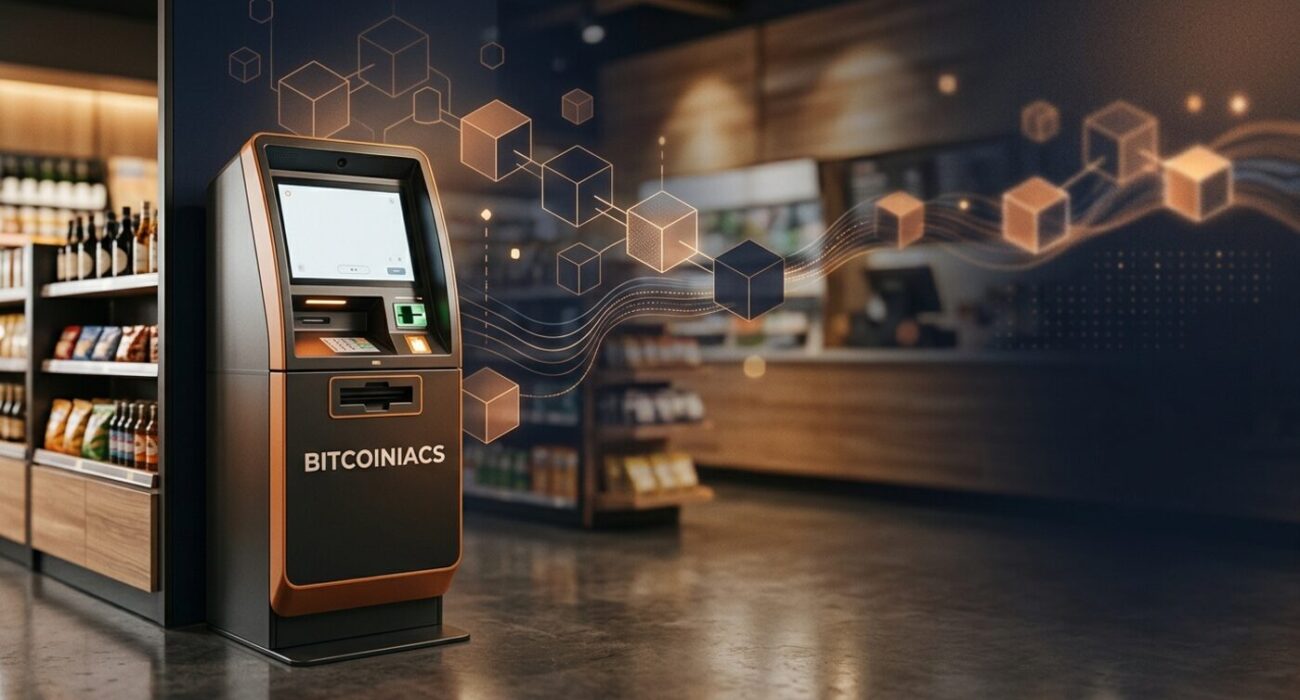
Bitcoin transaction fees Canada buyers and sellers see on a quote can be confusing because several costs may appear together. One charge may pay the Bitcoin network; another may be a service fee, spread, cash-handling cost, or withdrawal fee. Knowing which is which helps you compare a quote, choose a sensible confirmation speed, and avoid treating every provider charge as a miner fee. This guide explains the difference for Canadians using a wallet, exchange, or Bitcoin ATM.
Table Of Contents
- Bitcoin Transaction Fees Canada: The Two Layers
- How Bitcoin Network Fees Work
- Provider Costs When Buying Or Selling Bitcoin
- How To Read A Bitcoin Quote In Canada
- Practical Ways To Manage Fees
- Frequently Asked Questions
Bitcoin Transaction Fees Canada: The Two Layers
The first distinction is between a Bitcoin network fee and a provider fee. A network fee is attached to an on-chain transaction. It is normally paid when bitcoin moves from one address to another and is selected by the wallet or service preparing the transaction. The fee helps determine how attractive that transaction is to miners competing to include transactions in a block.
A provider fee is different. A Bitcoin ATM operator, exchange, broker, or payment processor may charge for quoting a price, operating a regulated service, handling cash, managing compliance, providing customer support, or sending a withdrawal. A provider may also earn through the spread between its buy and sell prices. These costs can be combined into the final Canadian-dollar quote, but they are not Bitcoin network fees.
This distinction explains why two people can report very different “Bitcoin fees” after doing different things. Someone moving BTC between two self-custody wallets is mainly dealing with network conditions and wallet settings. Someone purchasing through a service is comparing the quoted CAD amount, the BTC amount received, any service charge, and the cost of moving the coins afterward. For a local cash purchase, review the final quote and receipt rather than trying to infer a fee from the appearance of the machine.
Government consumer guidance also warns that crypto-asset fees and exchange rates vary by service, and that a crypto ATM is independent of a bank or the Interac network. You can review that overview from the Financial Consumer Agency of Canada before deciding which payment or delivery method fits your situation.
How Bitcoin Network Fees Work
Bitcoin blocks have limited space. Wallets commonly estimate a fee rate based on the amount of demand for that space and the transaction’s virtual size. A transaction with more inputs or more complicated spending conditions can take more block space than a simple transaction, even when the amount of bitcoin being sent is small. The fee is therefore not automatically a fixed percentage of the amount transferred.
The practical relationship is fee rate multiplied by transaction size. A wallet may show satoshis per virtual byte or hide the technical number behind economy, normal, and priority choices. Higher rates can confirm faster; lower rates may suit a flexible timeline.
The Bitcoin developer guide to transactions explains that fees are based on transaction size and current demand for block space. It also describes why inputs, outputs, and change affect the size. You do not need to run a node to use that information; it is simply a useful explanation of why a wallet’s recommended fee can change from one moment to the next.
Why A Transaction Can Wait
An unconfirmed transaction is generally waiting in a mempool while miners select transactions for blocks. If the network becomes busy, a fee that would have been competitive earlier may take longer to confirm. That does not automatically mean the bitcoin disappeared. Check the transaction ID in your wallet or a reputable block explorer, and do not send a second payment simply because the first one is pending.
Some wallets support Replace-By-Fee, which can let a user rebroadcast an eligible transaction with a higher fee. Other recovery options depend on the wallet and the transaction’s status. Never enter a seed phrase into a website or send it to someone claiming to “unlock” a stuck transaction. A real support representative should not need your recovery words or a one-time code.
Provider Costs When Buying Or Selling Bitcoin
When you buy or sell through a provider, start with the all-in result. For a purchase, compare the Canadian dollars you pay with the bitcoin you receive. For a sale, compare the bitcoin you provide with the Canadian dollars you receive. The difference can reflect a service fee, a spread, network delivery, payment processing, cash handling, or other operating costs. Asking only “what is the fee percentage?” may not reveal the actual cost of the transaction.
For a Bitcoiniacs ATM, treat the transaction as cash-based unless the current service information explicitly says otherwise. A Bitcoin ATM may look like a bank ATM, but that does not mean it accepts debit or credit cards. Before confirming, read the on-screen quote, check the destination wallet address carefully, and keep the receipt. If the quote includes an estimated network delivery charge, it can change with network conditions; the provider’s service charge and the network fee are still separate concepts.
People who want to compare local access can start with the Bitcoiniacs Bitcoin ATM locations directory. Location availability, buy or sell functionality, limits, identification requirements, hours, and the final quote can vary, so confirm the details at the selected location before travelling. Do not assume that every machine offers both directions of a transaction.
Online services may show trading, spread, deposit, and withdrawal costs separately. Some hold an internal balance without an on-chain transaction, while others send BTC to your external wallet. Compare the same endpoint when weighing an online quote against a cash purchase.
How To Read A Bitcoin Quote In Canada
Use a short checklist whenever you are shown a quote. First, record the CAD amount you will pay or receive. Second, record the BTC amount before confirming. Third, identify whether the quote already includes the provider’s fee, spread, network delivery, or cash-handling cost. Fourth, verify the wallet address and network. Finally, save the timestamp and receipt so you can explain the transaction later.
- Buy quote: compare total CAD outflow with BTC delivered to your wallet.
- Sell quote: compare BTC sent with total CAD payout and any payout charge.
- On-chain transfer: inspect the wallet’s fee rate, transaction size, and confirmation estimate.
- Provider withdrawal: ask whether the charge is a provider-set withdrawal amount or the live network fee.
- Tax records: retain the CAD value, BTC amount, fee, date, wallet address, and transaction ID.
The Canada Revenue Agency’s guidance on keeping cryptocurrency transaction records recommends preserving details such as the date and time, Canadian-dollar value, units, wallet addresses, and transaction information. A fee can affect your cost or proceeds, so save it with the rest of the transaction record rather than relying on an exchange history that may be difficult to retrieve years later.
Tax treatment depends on what you do with the asset and your circumstances. Buying and holding is not the same as disposing of bitcoin. Selling, trading one crypto-asset for another, gifting, or using bitcoin to pay for something may have tax consequences. This article is general information, not tax advice; ask a qualified Canadian tax professional if your activity is frequent, business-related, or difficult to classify.
Practical Ways To Manage Fees
Managing fees does not mean choosing the lowest number at all times. It means matching the cost and speed to your goal. If a payment is time-sensitive, a higher fee rate may be reasonable. If you are consolidating funds or moving a small amount that can wait, an economy setting may be more appropriate. Never increase a fee just because a message says your funds will be lost unless you act immediately; urgency is a common scam signal.
Use a wallet with clear fee controls and a transaction preview. Keep software updated, confirm that the wallet supports the address format you are using, and test a new destination with a small amount when appropriate. Avoid making many tiny deposits to a wallet if you can consolidate them later during a quieter period; many inputs can make a future transaction larger. Do not “optimize” by installing an unknown wallet promoted in a message or advertisement.
For larger or more complex transactions, compare the complete path rather than one line item. The Bitcoiniacs crypto exchange information page can help you understand the available service context, while the buying Bitcoin service areas page is useful when your priority is local access. If you are selling, confirm the available payout method and location details before starting; a service page for selling Bitcoin in Vancouver is an example of why local terms matter.
Finally, keep security separate from fee hunting. No legitimate provider needs your seed phrase, private key, password, or one-time authentication code to complete a purchase or explain a fee. Be suspicious of guaranteed returns, pressure to use a third-party wallet address, or instructions to buy Bitcoin to “protect” money from an investigator. A transparent quote is useful; a demand for secrecy is not.
The Bank of Canada’s payments commentary also notes that Bitcoin ownership and payment use are different questions: many holders treat bitcoin as an investment rather than a day-to-day payment method. That distinction matters when choosing a service. If you are buying to hold, prioritize wallet control, records, and security. If you are sending a payment, prioritize address accuracy, confirmation expectations, and a fee setting suited to the deadline.
Frequently Asked Questions
Why are Bitcoin fees so high in Canada?
“Bitcoin fee” can mean a network fee, a provider’s service charge, a spread, or a withdrawal amount. Network fees rise when demand for block space is high, while provider costs reflect the service and delivery method. Canada itself does not set one universal Bitcoin network fee. Compare the CAD paid, BTC received, and each disclosed line item instead of assuming every difference is a miner fee.
Are Bitcoin network fees a percentage of the amount sent?
Usually, no. The network fee is primarily related to transaction size and the fee rate selected for confirmation, not a fixed percentage of the bitcoin amount. A provider can still quote its own percentage, spread, or minimum charge. That is why a small transfer can feel expensive if it uses a relatively large transaction or a provider minimum.
What should I do if my Bitcoin transaction is stuck?
Check the transaction ID in your wallet and a reputable block explorer before taking action. If it is unconfirmed, do not send a replacement payment blindly. Your wallet may support Replace-By-Fee or another recovery method, but the correct steps depend on the wallet and the original transaction. Anyone asking for your seed phrase to accelerate confirmation is trying to take control of your funds.
How can I pay less when sending Bitcoin?
Use a reputable wallet’s fee estimate, choose an economy setting when your timing allows, and avoid unnecessary urgency. Consolidating many small inputs can reduce the size of a later transaction, but it should be done with a clear understanding of privacy and wallet security. When buying through a provider, compare the final CAD-to-BTC result rather than focusing only on the advertised fee line.
Does a Bitcoin ATM fee include the Bitcoin network fee?
It depends on the operator and quote. A Bitcoin ATM may include a provider service cost, a spread, a network delivery estimate, or several of these in the final amount. Read the quote and receipt carefully, and ask the operator if a line item is unclear before confirming. Do not assume that a machine accepts cards or connects to Interac simply because it resembles a bank ATM.
Bitcoin transaction fees Canada users encounter become much easier to evaluate once the network layer and provider layer are separated. Take a moment to compare the complete quote, confirm the destination address, keep your records, and choose a fee setting that matches your timing rather than a stranger’s urgency.