


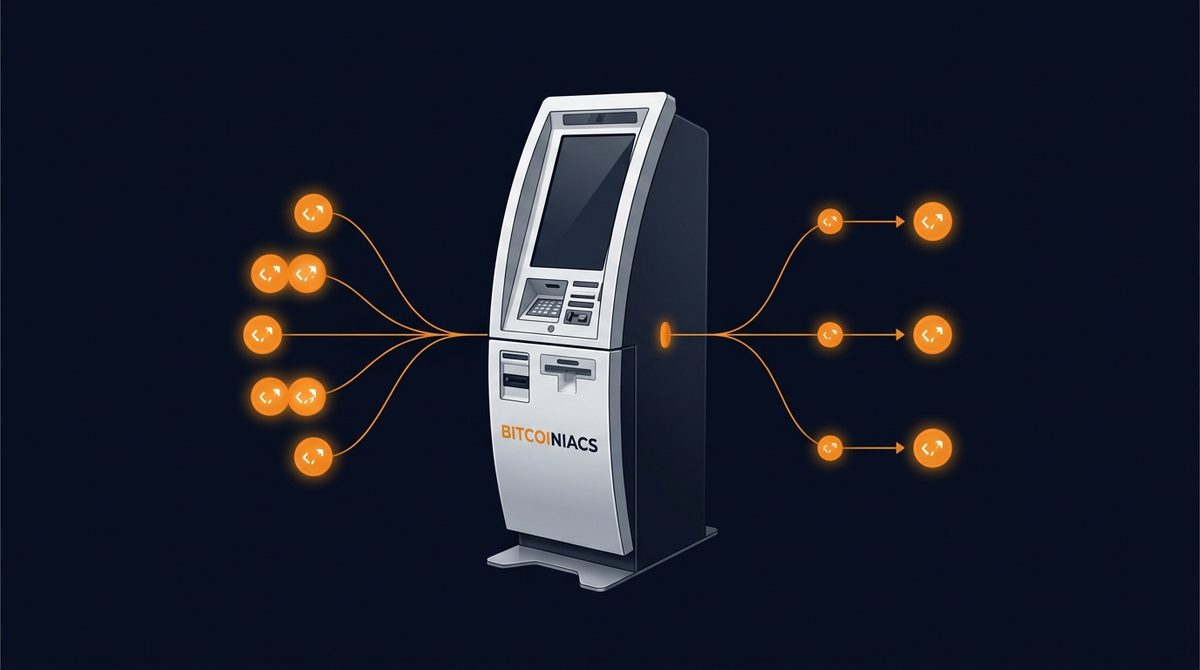
Bitcoin address reuse in Canada is the practice of receiving more than one payment at the same Bitcoin address. It can make a wallet easier to recognize on the public blockchain, even though the address itself does not display a person’s name. For Canadians who buy, hold, or send Bitcoin, the useful response is simple: use a fresh receiving address when your wallet offers one, and treat every address as public information. This is a privacy habit, not a magic cloak. A new address does not erase links created by an exchange, a purchase receipt, or a transaction that combines funds. This guide explains what address reuse reveals, how modern wallets create new addresses, what to do if you have reused one, and how to share or verify payment details more carefully.
Table of Contents
- What Bitcoin Address Reuse Means
- Bitcoin Address Reuse, Privacy, and Security
- How Wallets Create New Receiving Addresses
- What to Do If You Reused an Address
- Frequently Asked Questions
What Bitcoin Address Reuse Means
A Bitcoin address is a payment destination derived from cryptographic keys controlled by a wallet. It is not the wallet itself, and it is not a username or bank account number. A wallet can manage many addresses and the associated keys. The blockchain, however, records transactions publicly. Anyone who knows an address can inspect its on-chain history, including incoming and outgoing transactions associated with that address.
Address reuse happens when someone shares the same receiving address with multiple senders or uses it repeatedly to collect payments. Bitcoin can technically accept repeated payments at one address; the concern is what that public pattern exposes. If a fundraiser, business, or individual posts one static address, observers can watch deposits accumulate and follow later spending from it. They may infer payment timing, balances held at the address, or connections between transactions. That does not automatically reveal a legal identity, but it can help connect activity that the user would rather keep separate.
Bitcoin Optech describes this as output linking: when multiple payments go to one address or other unique script, outside observers can reasonably associate them with the same receiver. Its overview of Bitcoin address reuse and output linking explains why generating a new address for each incoming payment is a practical privacy measure. Bitcoin.org gives similar plain-language advice in its guide to protecting your Bitcoin privacy.
Think of a fresh address like using a different public drop-off point for separate payments. It reduces the obvious connection between those receipts, but it does not make Bitcoin transactions confidential. If two payments later get spent together in one transaction, or if the addresses are connected to the same verified account, other clues may link them. Good privacy practice reduces unnecessary exposure; it does not guarantee anonymity.
Bitcoin Address Reuse, Privacy, and Security
The main everyday reason to avoid reusing an address is privacy. Because the ledger is public, a static address acts like a persistent label for every payment it receives. If you provide it to several people, each sender can independently look up that address and see its visible transaction history. Someone who knows that one payment belongs to you may be able to make educated guesses about other payments to the same address.
Privacy matters even when you are not trying to hide anything. It can limit unwanted profiling, protect personal financial details from casual observers, and reduce the information disclosed to a customer, online forum, or donation page. Canada’s Financial Consumer Agency notes that crypto assets are risky and not legal tender; its consumer guidance on crypto assets is a useful reminder to understand the technology and risks before using it. A public transaction history is one of those practical characteristics to keep in mind.
Address reuse is not the same thing as someone discovering your private key. An address is intended to be shared so another person can pay you; the private key or recovery phrase must remain secret. Reusing an address can expose patterns and balances associated with that destination, but it does not give a stranger the authority to spend your Bitcoin. Some discussions also raise future cryptographic risks if a public key is exposed, but those are not the ordinary, immediate reason to use fresh addresses. Do not let alarming claims blur the concrete issue: repeated use makes public transaction linkage easier.
Your privacy can still be affected by information outside the blockchain. A regulated service may associate a purchase or withdrawal with your identity, while receipts, emails, device data, and public posts can create other links. Avoid publishing screenshots that show full addresses, transaction IDs, account details, or personal information unless there is a specific reason. For tax purposes, keep accurate records rather than trying to obscure transactions: the CRA provides crypto-asset tax and record-keeping guidance. Privacy-conscious use and proper record keeping can coexist.
How Wallets Create New Receiving Addresses
Most modern Bitcoin wallets can derive many receiving addresses from the wallet’s backup seed. In normal use, you ask the wallet to receive Bitcoin and it displays an address or QR code. The next time, it may show a different address. That is expected behaviour and does not mean your funds have moved or that you opened a second wallet. The wallet tracks the addresses it generated and recognizes payments received to them.
To receive a payment, open the wallet’s receive screen, confirm it is set to Bitcoin on the intended network, and copy or scan the newly displayed address. Verify the first and last characters after pasting, especially when sending from a service that requires manual entry. Share the address only with the person or service that needs it. A Bitcoin address is safe to share for receiving, but anyone who sees it can inspect its public on-chain activity.
A wallet may continue to accept a previous address. This is helpful if a sender is already preparing a payment, but it is not a reason to keep an old address as your permanent public destination. Check the wallet’s instructions if you are unsure whether an older address remains monitored. Never assume that an address from one asset or network works for another. If you are comparing wallet types and setup options, our guide to the best Bitcoin wallets in Canada covers the features beginners should check before storing funds.
Sharing a new address can also help when you receive Bitcoin after a purchase. Make sure your wallet is ready before the transaction begins and confirm the address on the wallet device or trusted app. If you are using a Bitcoiniacs ATM, follow the on-screen steps and scan the receiving address from your own wallet. Find current service details through the Bitcoiniacs Bitcoin ATM locations directory, and review the screen carefully before confirming a transaction.
What to Do If You Reused an Address
If you have reused an address, there is usually no emergency action required. The transactions already recorded on the blockchain cannot be removed, and you cannot make past activity private by changing an address today. Start using a fresh address for future incoming payments. Keep your wallet backed up and secure, and do not move funds simply because you read that reuse is undesirable. Any transfer can introduce fees, mistakes, and other risks.
If the same address was posted publicly, consider removing or replacing it where practical. Update donation instructions, invoices, website pages, or saved payment requests so they generate or display a current receiving address. For one-time payments, create a new invoice or payment request in the wallet rather than sharing a permanent static destination. Businesses that need reusable donation or payment infrastructure should seek a wallet or payment tool designed for that purpose and understand what information it exposes.
Do not confuse a public address with a seed phrase. The address can be shared so someone can send you funds. Your seed phrase, private keys, one-time codes, and device unlock details should never be sent to a person claiming to provide support. A legitimate wallet helper does not need your recovery phrase to create a new receiving address. Urgent messages promising guaranteed returns or claiming that funds must be sent to a third-party wallet to “verify” or “unlock” an account are strong scam signals.
Before you send your own Bitcoin, confirm the recipient address using a trusted channel. A new address does not protect against clipboard malware, a substituted QR code, or a typo. For larger transfers, some users first send a small test amount, then confirm it arrives at the intended wallet before sending more. Consider the added transaction cost and delay. When storing funds for the longer term, pair address hygiene with a secure backup and sensible device practices; our guide on how to store Bitcoin safely in Canada explains the broader wallet-security basics. For another perspective on selecting a Canadian provider or in-person option, compare the available ways to buy Bitcoin in Canada with your needs.
Frequently Asked Questions
The questions below reflect real recurring discussions in Reddit’s Bitcoin and BitcoinBeginners communities, including questions about address changes, privacy, and reusing an address for a test payment.
Is it safe to reuse a Bitcoin address?
A reused address can still receive Bitcoin, but it reveals a more connected public transaction history than using separate addresses. That is mainly a privacy concern, not proof that someone can spend your funds. For routine payments, use a fresh address generated by your wallet when available. Keep your private key and recovery phrase secret regardless of whether an address is new or old.
Why does my wallet show a different address every time?
Many wallets generate a new receiving address to reduce the easy linking of separate incoming payments. The addresses can still belong to the same wallet, and the wallet tracks them using its key material and backup. A changed receive address does not mean your balance disappeared. Use the address shown for the payment you are arranging, and consult the wallet’s support documentation if an older payment is still expected.
Can I reuse the same address for a small test transaction?
You can receive more than one payment at the same address, including a test transfer, but using a fresh address for each incoming payment is generally better for privacy. If you are testing a transfer to your own wallet, you may choose a new address for the test and use the wallet’s current receive instructions for a later transfer. Check that the wallet recognizes each address and that both transfers use the correct Bitcoin network.
Will an old Bitcoin address still receive funds?
Often, a wallet will continue to monitor previously generated addresses, but behaviour can vary by wallet and recovery setup. If someone already has an older address, check your wallet’s documentation and transaction history rather than guessing. Do not delete or reset a wallet to try to force an address change. Keep the backup secure and verify an incoming payment by its transaction details in the wallet or a reputable block explorer.
Does a Bitcoin address show my name or identity?
No name is normally encoded directly in a Bitcoin address. The address and related transactions are public, though. If an address becomes associated with you through a payment, online post, regulated service, or other record, observers may connect its transactions to that context. Fresh addresses make casual linking harder, but they do not make activity anonymous or remove other identity links.
Using a fresh Bitcoin address for incoming payments is a small, practical privacy habit. Let your wallet generate addresses, share them only when needed, verify destinations before sending, and protect the secret keys that control your funds. Address hygiene cannot rewrite the public ledger, but it can reduce unnecessary connections between future payments.