


To buy Bitcoin with a bank transfer in Canada, you need to understand which company receives your dollars, which company executes the Bitcoin purchase, and where the Bitcoin will be delivered. A bank transfer can be convenient because it uses money already in your account, but the process is not universal. Your bank may set its own rules, the payment processor may place a hold, and the crypto provider may require identity verification before showing a quote. This guide explains the workflow, the costs to check, the difference between bank transfers and other funding methods, and the safety steps that matter before you send CAD.
Table of Contents
- Buy Bitcoin With a Bank Transfer in Canada: Start Here
- Choose The Funding Route That Fits
- Understand The Full Cost Before You Send Money
- KYC, Wallet Delivery, And Safer Setup
- Frequently Asked Questions
Buy Bitcoin With a Bank Transfer in Canada: Start Here
A bank transfer is a way to move CAD from your bank account to a crypto provider that supports bank-funded purchases. It is different from sending Bitcoin. The bank transfer moves Canadian dollars into the purchase flow; the provider then gives you a Bitcoin quote and sends the purchased BTC to a custodial balance or a wallet address, depending on its process.
What A Bank Transfer Actually Does
Start by confirming the exact funding rail offered by the provider. “Bank transfer” can mean an online bill payment, a pre-authorized debit, a direct account connection, or another electronic deposit method. It does not automatically mean Interac e-Transfer, and it does not mean a debit or credit card payment. The provider should tell you which account details to use, whether your name must match, how long funds take to settle, and whether the funds can be withdrawn immediately after you buy.
Before sending money, create the account through the provider’s official website or app. Check the spelling of the domain, use a unique password, and complete the account setup without following an unsolicited link. If you are comparing payment rails, our guide to buy Bitcoin with Interac e-Transfer explains why an e-transfer should be treated as its own method rather than assumed to be the same as a bank transfer.
Who Handles Each Step
There are usually three separate parties. Your bank or account issuer moves or authorizes the CAD and may decline, delay, or review a transaction. A payment processor may route the deposit, confirm your account, or apply a settlement window. The crypto provider displays the quote, applies its own fees and spread, completes the Bitcoin purchase, and controls the delivery workflow. A problem at one layer does not necessarily mean the other two layers are broken.
That separation also explains why no provider can promise that every Canadian bank account will work in every situation. Confirm the current policy with the bank and the provider before moving a large amount. For a regulated business that handles virtual currency exchange or transfer services, FINTRAC’s money-services-business requirements provide useful background on why identity and transaction controls are part of the process.
Choose The Funding Route That Fits
The best funding method depends on what you value: speed, a familiar payment experience, cash privacy within the provider’s legal requirements, self-custody, or a clear record of the transaction. Compare the complete path rather than choosing the method that looks fastest on the first screen.
Bank Transfer And Interac E-Transfer
A bank transfer can be a good fit for a planned purchase when the provider accepts your bank and you are comfortable with its settlement time. It may require you to add a recipient, confirm a reference number, or wait for the deposit to clear. Interac e-Transfer can feel more familiar for some Canadians, but it may have sending limits, bank-specific restrictions, recipient verification steps, or a delay before the provider credits your account. Read the provider’s instructions exactly. A typo in an account number, reference, or recipient address can create a support problem.
Cash At A Bitcoin ATM
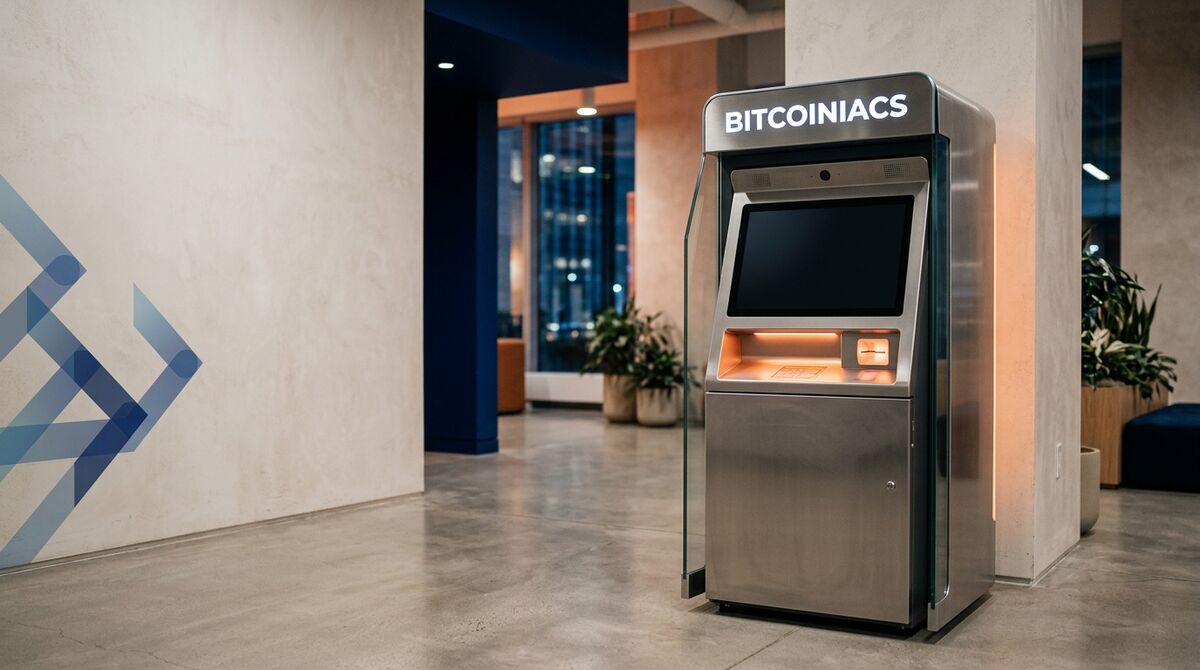
Cash is a different route from a bank-funded online purchase. Bitcoiniacs ATM purchases should be treated as cash-based unless the current service information for a particular machine explicitly says otherwise. Do not assume that a Bitcoin ATM accepts a debit or credit card just because its shape resembles a bank ATM. Check the machine’s supported transaction type, limits, hours, and identification requirements before travelling.
If cash is the route you prefer, read our practical guide to buy Bitcoin with cash in Canada before visiting a location. Bring the wallet address you intend to use, confirm that it is a Bitcoin address, and review the on-screen quote and total before approving the transaction. A cash purchase is still a financial transaction that deserves a receipt and careful record keeping.
Debit And Credit Cards
Cards are not interchangeable with bank transfers. The card issuer can classify a crypto purchase differently from an ordinary retail purchase, and a provider or processor may add its own charge. A credit card purchase can also create interest or a cash-advance fee depending on the issuer’s terms. Do not fund a volatile asset with money you cannot afford to repay. If the transaction fails, check whether the bank, processor, or crypto provider declined it before trying repeatedly.
Understand The Full Cost Before You Send Money
The amount leaving your bank account is not always the same as the value of Bitcoin you receive. Write down the CAD amount, BTC amount, quoted exchange rate, provider fee, spread, payment-processing fee, and any bank or foreign-exchange charge. If the quote expires, compare the new quote instead of assuming the earlier total still applies.
Fees You May See
A provider may present a separate fee, include part of its revenue in the spread, or show one all-in price. The bank or processor may charge a transfer fee, although the exact amount depends on the account and service. Your bank may also have foreign-exchange terms if the transaction is not settled entirely in CAD. Ask for a final quote before confirming, and compare the BTC received after all charges rather than comparing a headline percentage.
ATM pricing follows a separate route and should not be used as a proxy for online bank-transfer pricing. Our explainer on Bitcoin ATM fees in Canada covers why a physical cash transaction can show a different total from a funded online order.
Timing, Holds, And Failed Transfers
A bank transfer may arrive quickly, but “sent” does not always mean “available for purchase or withdrawal.” New accounts, unusual amounts, weekends, holidays, compliance reviews, and mismatched sender information can add time. Keep the confirmation number and the bank statement. If the balance does not appear, do not send a second transfer until support confirms what happened.
Keep A Tax Record
Buying and holding Bitcoin is different from disposing of it, but the purchase still creates records you may need later. Save the CAD amount, BTC amount, quote, fees, timestamp, wallet address, transaction ID, and bank statement. The Canada Revenue Agency’s cryptocurrency guidance explains that transactions involving cryptocurrency can have tax implications and that accurate records matter. This is general information, not personal tax advice.
KYC, Wallet Delivery, And Safer Setup
A smooth bank transfer does not remove the need to protect the account and the Bitcoin that follows. Treat setup, identity verification, wallet selection, and scam screening as part of the purchase rather than chores to rush through.
Identity Checks Are Normal
A provider may ask for your name, date of birth, address, identification document, or an additional review when the transaction pattern changes. Submit documents only through the provider’s official, encrypted account flow. Support staff should not ask for your wallet recovery phrase, password, one-time login code, or control of your device. If an identity check fails, contact the provider through the contact details on its official website instead of responding to a new social-media account.
Send To A Wallet You Control
Confirm whether the provider holds the Bitcoin for you or sends it to your wallet. If you receive BTC yourself, copy the address carefully and check the network before approving the transfer. Send a small test amount when appropriate, especially when using a new wallet. A wallet address is not the same thing as a recovery phrase. Keep the recovery phrase offline, never photograph it for cloud storage, and do not share it with anyone. Our guide to how to store Bitcoin safely in Canada covers the trade-offs between convenience and control.
Scam Check Before You Transfer
Stop if someone tells you to move money urgently, promises guaranteed returns, claims to be protecting your account, or instructs you to send Bitcoin to a third-party wallet. A legitimate purchase flow should not depend on secrecy or pressure. The Canadian Anti-Fraud Centre’s crypto investment scam guidance describes warning signs such as unsolicited offers, fake investment websites, impersonation, urgency, and requests to transfer crypto to an address controlled by criminals.
If you already sent money to a suspected scammer, contact your bank or financial institution immediately using an official phone number. Preserve messages, receipts, wallet addresses, transaction IDs, and screenshots. The Competition Bureau’s Little Black Book of Scams recommends validating transfer requests independently and treating electronic money transfers as difficult to reverse once completed.
Frequently Asked Questions
Where Can I Buy BTC With Interac E-Transfer?
Use a provider that clearly states it accepts Interac e-Transfer in Canada and explains the exact recipient and reference process. Check identity requirements, limits, settlement timing, and the final BTC amount before sending funds. Do not rely on an unsolicited direct message or a peer-to-peer offer just because it promises a better rate. An e-transfer is generally difficult to reverse after completion, so verify the official destination first.
Are There Trustworthy Services To Buy Bitcoin Via E-Transfer In Canada?
Look for a clearly identified provider with published support channels, transparent transaction instructions, and an identity process that matches its legal obligations. Confirm the website address yourself, review the quote, and keep the receipt. Trust is not established by a stranger’s urgency, a screenshot of past payments, or a promise that you can avoid every verification step.
Can I Use My Canadian Bank Account To Buy Bitcoin Without Locking Up My Funds?
There is no universal answer. Some providers place a settlement or withdrawal hold, particularly for new accounts or unusual activity. Read the provider’s funding and withdrawal terms before transferring CAD. Keep enough money available for ordinary bills, and do not assume that a completed bank transfer means the Bitcoin can be withdrawn immediately.
How Do I Buy Bitcoin If My Bank Does Not Allow Crypto Purchases?
First ask the bank whether it declined the specific transfer, blocked the recipient, or applied a security review. Do not try to bypass a warning by splitting a payment or using a stranger’s account. You can compare a different compliant funding route, such as a provider-supported transfer or a cash-based Bitcoin ATM, after checking its current terms. Never use debt or someone else’s identity to force a purchase through.
Buying Bitcoin with a bank transfer in Canada is easiest when you slow down at the points that matter: confirm who receives the CAD, compare the all-in quote, complete verification through official channels, and decide where the Bitcoin should be held before you pay. Keep the records, ignore pressure, and treat every wallet address as a final destination that must be checked before approval.