


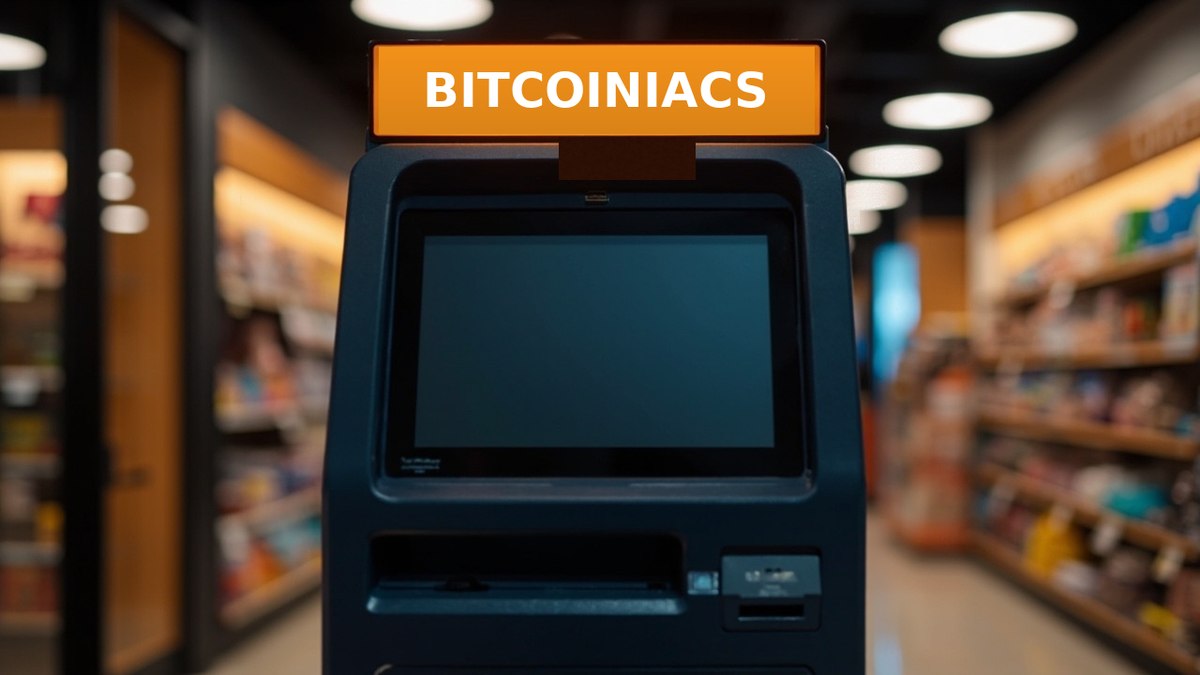
A crypto exchange bankruptcy is the moment thousands of people discover that the balance on their screen was never a stack of coins in a vault. It was a number in someone else’s database. In Canada that distinction has real legal consequences, and the country has already lived through the worst-case version of it. This guide explains what happens when a Canadian crypto platform fails, who gets paid first, how long claims take, and what you can do before a failure ever reaches your account.
Table of Contents
- What Crypto Exchange Bankruptcy Means in Canada
- Why Exchange Balances Are Not Bank Deposits
- The QuadrigaCX Precedent Still Shapes Canadian Claims
- How Canadian Insolvency Treats Crypto Claims
- Self-Custody Is the Only Structure That Survives a Failure
- Frequently Asked Questions
What Crypto Exchange Bankruptcy Means in Canada
When you buy Bitcoin on a trading platform, the platform usually holds the coins in wallets it controls. Your account shows a balance, but the keys belong to the company. If the company runs out of money, those coins become part of an insolvency proceeding, and you become a creditor rather than an owner.
Canadian crypto platforms are not banks. They register as money services businesses with FINTRAC and, if they trade crypto assets for clients, they fall under securities law administered by the Canadian Securities Administrators. Registration brings audits, segregation rules and capital requirements, but it does not create a guarantee fund. A registered platform can still fail, and registration does not put your balance ahead of other creditors.
Two legal routes dominate. The Bankruptcy and Insolvency Act handles straightforward liquidations, while the Companies’ Creditors Arrangement Act lets a large platform restructure under court supervision while it tries to keep operating. Both are run through the Office of the Superintendent of Bankruptcy and the courts, and both treat customers as claimants unless a judge decides otherwise. You can compare live prices on the Bitcoiniacs crypto exchange page without opening an account, which is one way to watch the market while you decide where your coins should sit.
Why Exchange Balances Are Not Bank Deposits
People assume the safety net they have at a bank follows them to a crypto platform. It does not. The Canada Deposit Insurance Corporation protects eligible deposits at member institutions, and that protection is limited to deposits. Crypto assets held at a trading platform are not deposits and sit outside that framework entirely, as CDIC’s own coverage rules make clear.
The investment side has a similar gap. The Canadian Investor Protection Fund covers assets held with a member investment dealer if that dealer becomes insolvent, up to defined limits. Crypto balances at a crypto platform are not dealer-held securities, and the fund’s coverage scope does not extend to them. Provinces have no equivalent of deposit insurance for coins.
This is why proof of reserves matters more than a reassuring banner. Reserves can be verified, but verification is a snapshot of one moment, not a legal claim on future assets. If you want to know how the checks work and where they fall short, the guide to proof of reserves in Canada walks through the mechanics.
Segregation rules have improved. Platforms registered under the Canadian Securities Administrators’ framework must hold client assets separately from company assets and file audited financial statements each year. That lowers the chance your coins are funding a trading desk. It does not create a claim on one specific coin, and it does not prevent a shortfall if a platform misstates what it actually holds.
The QuadrigaCX Precedent Still Shapes Canadian Claims
Canada’s defining case is QuadrigaCX. The Vancouver-based exchange froze withdrawals in early 2019 after its founder, Gerald Cotten, died in India. Roughly C$190 million in customer crypto and cash was missing. The Ontario Securities Commission spent months reconstructing the accounts and concluded that the platform had been operated as a fraud, with customer assets used to fund trading losses and withdrawals.
The OSC’s conclusion is blunt about the core problem: clients were exposed to risks far beyond price swings simply by leaving assets on the platform. The estate went through bankruptcy proceedings, a trustee was appointed, and distributions to creditors were still being worked through years later. Former users are still asking in forums whether another payment round is coming.
What makes the case useful is the pattern it established. Customer crypto held in company wallets became estate property. Users filed proofs of claim. The trustee reconstructed balances from database records and blockchain analysis because there was no clean set of segregated wallets to hand back. People with records and verified deposits moved through the process; people who could not document balances waited longer or recovered less.
How Canadian Insolvency Treats Crypto Claims
The Office of the Superintendent of Bankruptcy oversees licensed trustees who administer estates. In a crypto failure you are normally an unsecured creditor. Secured creditors, court-appointed monitors, trustee fees and professional costs come first, and what remains is divided among claimants. Recoveries in large failures usually land far below the account balance people remember.
What creditors actually receive
Payments are not based on today’s Bitcoin price. They are based on the claim you can prove, converted at a date set by the court, minus costs. If Bitcoin doubles while the estate is wound up, that gain generally does not flow to you. If it falls, your claim does not shrink either, which is why some creditors in older cases received cash amounts that looked disconnected from current market values.
Timelines are measured in years. Claims are filed, disputed, adjudicated, and only then does a distribution schedule appear. Expect at least one interim distribution and a long gap before anything resembling a final one.
If a platform freezes withdrawals this week, the first few hours matter more than the legal theory. Screenshot balances, transaction history and any notice. Download statements while the site still loads. Be careful with offers to convert your coins into a claim token or an unsecured note, because the trade can strip you of priority you would otherwise argue for. Register with the trustee once a monitor is appointed, and keep every email: courts set claims-bar dates and they are enforced.
Warning signs worth acting on
Failures rarely arrive without signals. Withdrawals that suddenly take days instead of hours, support tickets that go unanswered, a stablecoin on the platform trading at a visible discount to its peg, a CEO resigning without explanation, or an exchange quietly pausing withdrawals for “maintenance” that stretches past a weekend are all reasons to move first and ask questions later. Urgency is the one advantage you still have.
Self-Custody Is the Only Structure That Survives a Failure
If you hold the keys, the exchange’s balance sheet is not your problem. Bitcoin on a hardware wallet does not become estate property when a company collapses, because the coins were never in the company’s custody. That is the entire practical argument for self-custody, and it holds whether the platform is honest, careless, or simply unlucky.
How to move coins off a platform
Generate a receiving address on your own wallet, test with a small amount first, then send the rest once the test confirms. Keep the seed phrase offline, written on paper or metal, never photographed and never typed into a website. A Bitcoin hardware wallet keeps the keys off an internet-connected device, which removes the most common way self-custody goes wrong.
If your entry point is cash rather than a trading account, the coins can land in your wallet from the first transaction. Bitcoiniacs machines send Bitcoin directly to an address you control, so there is no platform balance to leave sitting anywhere. You can find a machine on the Bitcoiniacs ATM locations page and confirm the address on your own screen before the purchase completes.
Keep your own records
Insolvency trustees work from documentation. Save every purchase confirmation, withdrawal email, transaction ID and wallet address as it happens, not after a platform freezes. If a failure does occur, that folder is the difference between a claim that clears and one that stalls. The same records support a capital loss claim if the coins are genuinely gone, since a loss you cannot document is a loss you cannot deduct.
Frequently Asked Questions
If a crypto exchange goes bankrupt, do I still own my Bitcoin?
Usually not in the legal sense. If the platform held the keys, the coins are treated as company assets and you hold a claim for their value. Ownership only follows you if the assets were segregated in your name, which is rare for retail accounts. Assume you are a creditor until a court says otherwise.
Can I still get money back from QuadrigaCX?
Only through the trustee’s claims process, and only if you filed. Distributions have gone out in stages to verified creditors. If you never filed a proof of claim, contact the trustee with whatever account records you still have. Late claims are difficult but not always impossible, and the estate, not the exchange, controls the timeline.
Is crypto on an exchange insured like a bank deposit?
No. CDIC insures eligible bank deposits and CIPF covers assets at member investment dealers. Neither covers crypto balances at a trading platform. Some exchanges buy private custody insurance, but that protects the company, not your account, and it rarely pays out on insolvency.
Would my coins be safer in a separate wallet if the exchange collapsed?
Yes, if you control the keys. Coins in your own wallet are outside the estate entirely, so there is nothing to claim and nothing to wait for. The trade-off is that you become responsible for backups. A lost seed phrase is unrecoverable, so store two offline copies in separate places.
Can I claim a capital loss when an exchange fails?
Possibly. If the coins are permanently lost and you can evidence the cost basis, the loss may be treated as a capital loss, which can offset capital gains. Talk to an accountant about your situation and bring transaction records, statements and any trustee correspondence. Treating it as a business loss usually requires a stronger case.
Exchange failures are not rare accidents. They are a predictable feature of a system where a company holds assets it does not own, and Canada has already produced one of the clearest examples in the world. The lesson is not to avoid Bitcoin. It is to keep your coins where a bankruptcy filing cannot reach them.