


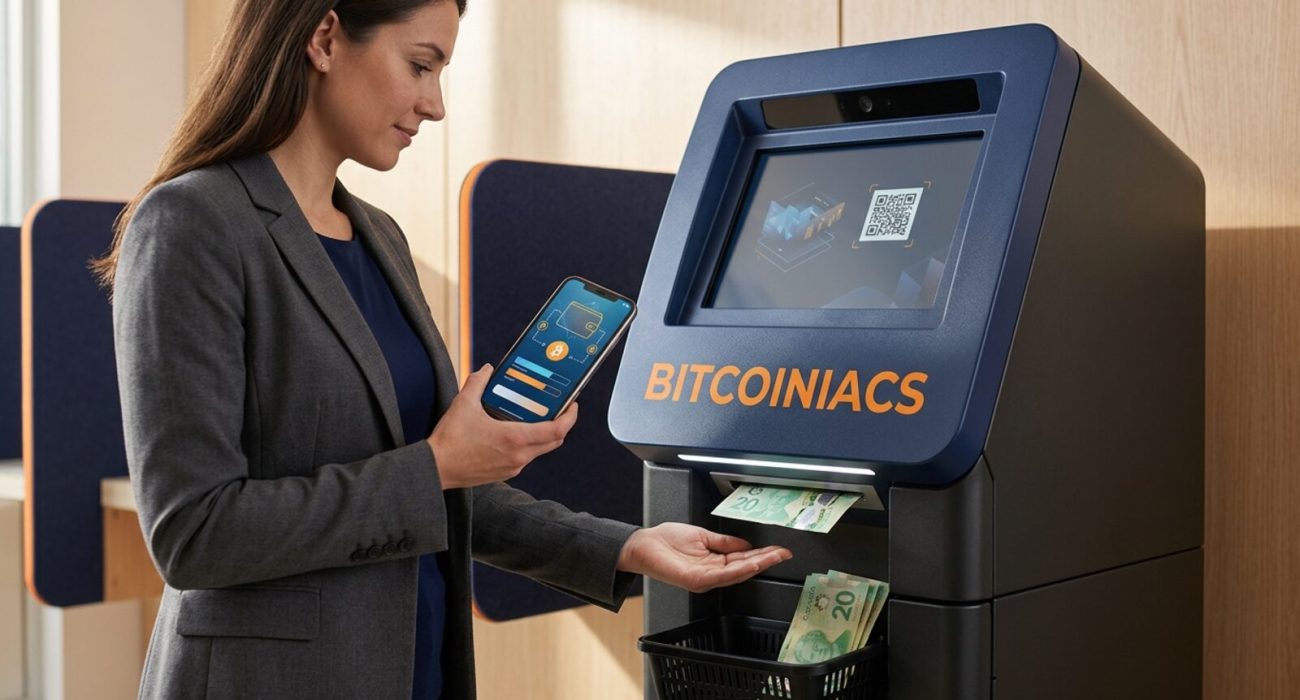
How to sell Bitcoin for cash in Canada becomes much simpler when you understand the order of the transaction. At a two-way Bitcoin ATM, you choose a cash amount, receive a destination address or QR code, send Bitcoin from your own wallet, wait for the required network confirmation, and collect Canadian dollars. The machine does not pull coins from your wallet, and you should never share your seed phrase or private keys. Preparation matters: confirm that the location supports selling, know the amount you want to withdraw, bring any identification that may be required, and leave enough Bitcoin in your wallet to cover the network fee. This 2026 guide walks through the complete process, explains quotes and fees, and highlights the security and tax records Canadians should keep.
Table of Contents
- How to Sell Bitcoin for Cash in Canada
- What to Prepare Before You Sell
- Step-by-Step: Selling Bitcoin at a Two-Way ATM
- Bitcoin ATM Fees, Quotes, and Timing
- Safety, Identification, and Canadian Tax Records
- Frequently Asked Questions
How to Sell Bitcoin for Cash in Canada
Selling Bitcoin for cash means exchanging a specific amount of BTC for Canadian dollars. With a two-way Bitcoin ATM, the transaction begins at the machine but the Bitcoin is sent from your wallet. The ATM produces a QR code or address for the sale. You scan it with your wallet, review the address and amount, then authorize the transfer. After the Bitcoin network records the transaction and the operator accepts the required confirmation, the ATM makes the cash available.
This is different from withdrawing money from a regular bank ATM. A Bitcoin wallet does not contain a conventional account balance held by the machine operator. It holds the credentials that let you authorize an on-chain transaction. Bitcoin’s public network uses mining to confirm pending transactions and include them in the blockchain, as the Bitcoin.org explanation of confirmations describes. That is why the cash may not be released the instant you press Send.
Two-way ATMs versus buy-only machines
Not every Bitcoin ATM dispenses cash. Some machines only accept cash to buy Bitcoin, while two-way machines support both buying and selling. Check the location details before travelling. If you are in British Columbia, the sell Bitcoin Vancouver guide explains local cash-out options and what first-time users should expect. The same basic rule applies everywhere: confirm that the specific machine supports sales, not merely purchases.
What the ATM needs from your wallet
You need a wallet that can send Bitcoin to a standard Bitcoin address. The wallet may be a mobile app, desktop wallet, or hardware wallet connected through its companion app. You do not enter a seed phrase at the ATM. You simply scan the sale address, enter or confirm the requested BTC amount, inspect the transaction details, and broadcast the payment. Keep your phone charged and make sure you can unlock the wallet before starting.
What to Prepare Before You Sell
A few minutes of preparation can prevent an expired quote, an underpayment, or a wasted trip. First, decide whether your goal is a fixed cash amount, such as $200 CAD, or selling a fixed quantity of Bitcoin. ATM workflows usually present the transaction in Canadian dollars and calculate the BTC required from the current quote. Because Bitcoin prices move, do not copy an amount from an old screenshot or assume yesterday’s rate still applies.
- Confirm the machine is two-way and currently supports cash withdrawals.
- Check the operator’s transaction limits and identification requirements.
- Bring your phone, wallet access, and acceptable identification if required.
- Keep enough extra BTC to pay the network fee charged by your wallet.
- Use a wallet with adjustable fees or a sensible automatic fee estimate.
- Save the ATM receipt and the wallet transaction ID for your records.
Check your spendable balance
Your displayed wallet balance may be slightly higher than the amount you can send because an on-chain transaction needs a miner fee. If the ATM asks for 0.002 BTC and your wallet contains exactly 0.002 BTC, the wallet may reject the payment or reduce the recipient amount. Never guess. Use the wallet’s preview screen and ensure the recipient receives the exact BTC amount shown in the ATM instructions.
Plan the location and cash amount
Choose a location where you feel comfortable handling cash and where the machine’s stated sell limits fit your transaction. Toronto users can review the sell Bitcoin Toronto locations before leaving home. For larger withdrawals, contact support or confirm availability rather than assuming every terminal holds the same amount of cash.
Step-by-Step: Selling Bitcoin at a Two-Way ATM
The exact button labels can vary by machine, but the transaction logic is consistent. Read every screen before continuing and keep control of your wallet throughout the process.
- Select Sell Bitcoin. Make sure you are using the sell or cash-out option, not the buy flow.
- Choose the cash amount. Enter the Canadian-dollar amount you want to receive, subject to the machine’s available denominations and limits.
- Complete any required verification. Depending on the amount and compliance rules, the flow may request a phone number, identification, or additional information.
- Review the quote. Check the exchange rate, BTC amount, operator fee or spread, and any expiry timer before accepting.
- Scan the destination QR code. Open your Bitcoin wallet’s Send function and scan the code shown by the ATM. Verify that the address in your wallet matches the transaction details.
- Send the exact amount. Confirm that the recipient amount is correct and that the network fee is added separately rather than deducted from it.
- Save the receipt or redemption code. Some machines print a ticket immediately and release cash after confirmation; others keep the session active.
- Wait for confirmation. Monitor the transaction in your wallet. Do not resend merely because the first confirmation is taking longer than expected.
- Return or redeem when instructed. Scan the receipt, enter the redemption code, or follow the terminal prompt to collect the Canadian cash.
- Count the cash before leaving. Keep the receipt and transaction ID with your financial records.
Verify before pressing Send
Bitcoin transactions are designed to be difficult to reverse. The Canadian Anti-Fraud Centre warns that once cryptocurrency is sent, it can be gone permanently and advises users to research who they are sending it to. Review the destination and amount yourself, and never let a stranger on the phone direct your ATM transaction. See the Canadian Anti-Fraud Centre crypto safety handout for the core warning signs.
What happens after you send
Your wallet broadcasts the transaction to the Bitcoin network. The ATM operator watches for it and applies its confirmation policy. A properly sent payment can still take time when blocks are full or your wallet selected a low miner fee. Keep the transaction ID, which lets support distinguish a pending network transaction from a payment sent to the wrong address or with the wrong amount.
Bitcoin ATM Fees, Quotes, and Timing
There are two separate costs to understand. The first is the ATM operator’s rate, fee, or spread, reflected in the quote. The second is the Bitcoin network fee paid by your wallet to miners for processing the on-chain transaction. These are not the same charge. Compare the final amount of Canadian cash you will receive with the total BTC leaving your wallet, not just a percentage shown in isolation.
Why confirmation time changes
Bitcoin targets blocks on an average schedule, but an individual confirmation can be faster or slower. Network demand and the fee rate chosen by your wallet affect how quickly miners select a transaction. Bitcoin.org notes that confirmation timing varies and that unusually low-fee transactions can take longer. Learn the basics of transaction timing and irreversibility before making a time-sensitive sale.
Avoiding quote and amount mistakes
Complete the wallet transfer while the ATM quote is active. If the timer expires, restart rather than sending to an old address without instruction. In your wallet, distinguish between “amount recipient receives” and “total deducted.” If your wallet subtracts the miner fee from the requested amount, the ATM may detect an underpayment. For Richmond-area options and local guidance, see the sell Bitcoin Richmond page.
A practical timing rule
Do not start a sale when you have only a few minutes before the host business closes. Leave time for verification, wallet review, network confirmation, and cash redemption. If a transaction remains pending, preserve the receipt and contact the operator using official contact information rather than creating a second sale.
Safety, Identification, and Canadian Tax Records
Legitimate compliance checks are part of Canada’s regulated money-services environment. FINTRAC guidance says money services businesses must verify identity for specified activities and thresholds, including virtual-currency exchange transactions of $1,000 or more, while suspicious transactions can trigger verification regardless of amount. Requirements can also depend on the transaction and operator policy. Review the current FINTRAC identity-verification guidance for money services businesses instead of relying on anonymous online claims that every ATM should be verification-free.
Protect yourself at the machine
- Never share a seed phrase, private key, wallet backup, or screen-sharing access.
- Do not use an ATM because a caller claims to be from the CRA, police, a bank, technical support, or a utility.
- Shield verification details and redemption codes from people nearby.
- Confirm the machine brand and use official support channels.
- Do not accept “help” from strangers who offer to handle your phone or cash.
Keep records for Canadian taxes
Selling Bitcoin for Canadian dollars is generally a disposition for tax purposes. The CRA says crypto dispositions must be reported as business income or capital gains, depending on the facts, and explains that a transfer between wallets you own is generally not itself a taxable disposition. Keep the date, BTC quantity, Canadian-dollar proceeds, wallet transaction ID, fees, receipt, and your adjusted cost base records. Read the CRA’s current crypto-asset disposition guidance and consult a qualified tax professional for advice about your situation.
To plan a sale, start with the official Bitcoiniacs ATM locations map and confirm which nearby terminal supports selling. Location capabilities, business hours, available cash, and transaction limits can change, so check details before travelling.
Frequently Asked Questions
How do I sell Bitcoin that is stored in my own wallet?
This question appears repeatedly in r/BitcoinBeginners. At a two-way ATM, open your wallet’s Send function, scan the destination QR code generated for the sale, enter the exact requested BTC amount, and authorize the transaction. You retain control of your keys throughout. A hardware wallet may require its companion app and physical confirmation on the device.
Do all Bitcoin ATMs require identification to sell Bitcoin for cash?
A Canadian Reddit user asked this while looking for a cash-out ATM. Requirements are not identical for every transaction, but regulated operators must follow Canadian identity-verification and anti-money-laundering rules. The amount, transaction pattern, and operator policy can affect the steps. Bring acceptable ID and check the current requirements before visiting.
Why can the amount of cash be lower than the Bitcoin market value?
Reddit users often ask for a breakdown of selling costs. The ATM’s quoted exchange rate may include an operator fee or spread, while your wallet separately pays a Bitcoin network fee. Price movement can also affect a time-limited quote. Review the final cash amount and the total BTC deduction before approving the transaction.
How long does it take to receive cash after sending Bitcoin?
It depends on the ATM’s confirmation policy, current network traffic, and the miner fee chosen by your wallet. A transaction may appear quickly but still need one or more confirmations before cash is released. Keep your receipt and transaction ID. If it remains pending, contact official support rather than sending the payment again.
Is selling Bitcoin for cash taxable in Canada?
Canadian Reddit tax discussions frequently ask whether cashing out creates a taxable event. In general, exchanging Bitcoin for Canadian dollars is a disposition. The result may be treated as a capital gain or loss, or as business income or loss, depending on your activity and circumstances. Keep complete records and use current CRA guidance when preparing your return.
Knowing how to sell Bitcoin for cash in Canada removes the uncertainty from a first ATM cash-out. Confirm the terminal supports selling, review the quote, send the exact BTC amount, wait for the required confirmation, and protect your receipt and tax records. Most important, stay in control of your wallet and never complete an irreversible transaction for an unsolicited caller.